The Great Labor Reset: How AI is Replacing 92M Jobs (and Creating 170M New Ones)
By Cash Flow University · · 4 min read
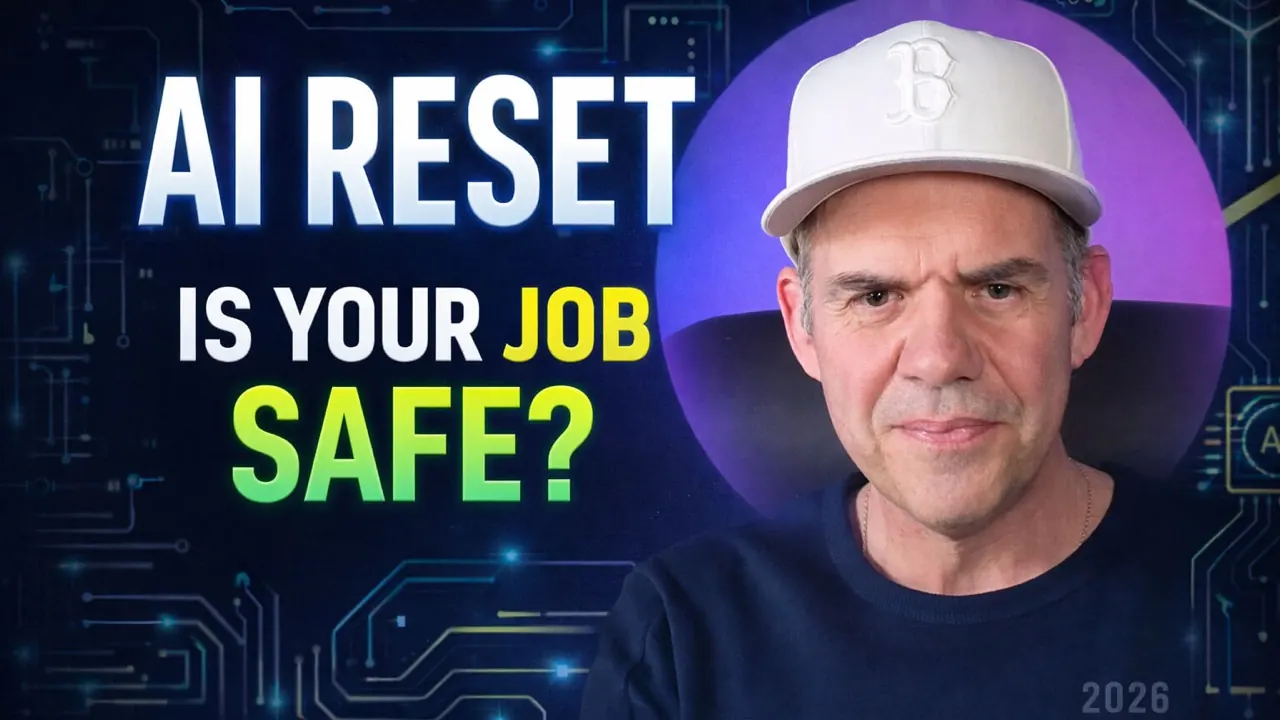
We are not just getting a tech upgrade, we are witnessing a complete reset in labor dynamics. AI is revolutionizing workplaces from white-collar desk jobs to blue-collar warehouse tasks. Here is how 92 million jobs will be replaced, 170 million new ones created, and what it means for your career through 2030.
As we move into an era defined by technological advancements that challenge traditional job roles, I want to make something clear: we are not merely experiencing a tech upgrade. We are witnessing a complete reset in labor dynamics. Artificial Intelligence is revolutionizing workplaces across every sector, from white-collar desk jobs to blue-collar warehouse tasks. Let me walk you through how jobs are expected to evolve through 2030 and the exciting opportunities that lie ahead.
Watch the Full Breakdown
Phase 1: Embracing the White-Collar Shift (2025-2026)
The first phase of this labor transition has already begun. We are seeing AI take over junior coder and intern positions, roles typically filled by entry-level employees in white-collar industries. These changes are inevitable, as AI demonstrates its capability to handle tasks with efficiency and precision. Following closely, administrative and clerical positions, including jobs in accounting and legal data entry, are ripe for automation, promising increased value through streamlined operations.
💼 Phase 1 ImpactJunior coding, administrative, accounting, and legal data entry roles are the first wave of white-collar positions being transformed by AI automation between 2025 and 2026.
Phase 2: Physical Jobs Meet Automation (2027+)
The second phase emphasizes the rise of robotics in physically demanding tasks. By 2027, companies like Tesla are ready to deploy robots in warehouses and assembly lines, effectively taking over high-repetition jobs. While this may lead to layoffs, it is also a pivotal moment for those workers to seek new opportunities. Organizations and governments may offer support to ease this transition, ensuring workers step into modern roles demanding new skills.
🤖 Phase 2 ImpactWarehouse automation, assembly line robotics, and high-repetition physical tasks are the next frontier, with Tesla and other companies deploying robots at scale by 2027.
The Layoff Boomerang
Here is a fascinating development I have been watching closely. Some companies are realizing that their over-reliance on automation has diminished the quality of work and customer service. This is prompting them to rehire human talent where robots fall short. I call this the "layoff boomerang." It helps refine AI models while retaining essential human qualities in business operations. The companies that find the right balance between AI efficiency and human creativity will be the ones that thrive.
The K-Shaped Economy: Rising and Falling
The revolution in job roles is also manifesting economically as a K-shaped model. Certain companies will soar to new heights, while others may not adapt and fade away. Similarly, job roles will either become more valuable or obsolete. This shift, however daunting, encourages individuals to redefine their career paths, embracing roles endowed with creativity and critical thinking.
Think about the iPhone. When it launched, nobody predicted it would create an entire app-development economy worth billions. That is exactly what is happening with AI. The 92 million jobs being replaced are seeding 170 million new positions we can not even fully imagine yet.
Orchestrating the Future
In light of these shifts, thriving in the future labor market will require aligning yourself with roles focused on orchestration and management. Overseeing AI systems, directing robotic processes, and ensuring the smooth operation of automated workplaces will be key. As AI evolves, so too will the demand for skilled individuals to manage these sophisticated systems.
💡 Pro TipPosition yourself for orchestration roles now. Learn to manage AI tools, understand automation workflows, and develop the strategic thinking skills that machines can not replicate. The people who learn to direct AI, not compete with it, will command the highest salaries in the new economy.
🎯 Key Takeaways
- AI is creating a complete labor reset, not just automating individual tasks
- Phase 1 (2025-2026) targets white-collar roles: coding, admin, legal data entry
- Phase 2 (2027+) brings robotics to warehouses and assembly lines
- The "layoff boomerang" will bring humans back where AI falls short
- 92M jobs replaced but 170M new ones created, a net gain of 78M positions
- Orchestration and management roles will be the most valuable career paths
The future of work, anchored by AI and robotics, brings exciting possibilities. It represents not only a leap in labor efficiency but also an opportunity for creativity and innovation. Society stands on the cusp of a transformative epoch, one that can propel us forward with new jobs featuring enriched roles.
I am Steven from Cashflow University. For those interested in navigating this brave new economic landscape, our team can guide you through investment strategies, stock trading, and options to grow your financial portfolio. We have a thriving Discord community with over a thousand members dedicated to making informed financial decisions. Visit joincfu.com to learn more.
Thank you for reading. Let us embrace the change and prepare for a future of exciting opportunities together.