Tesla's Autonomous Empire: Why 2026 Could Be the Year Everything Changes
By Cash Flow University · · 5 min read
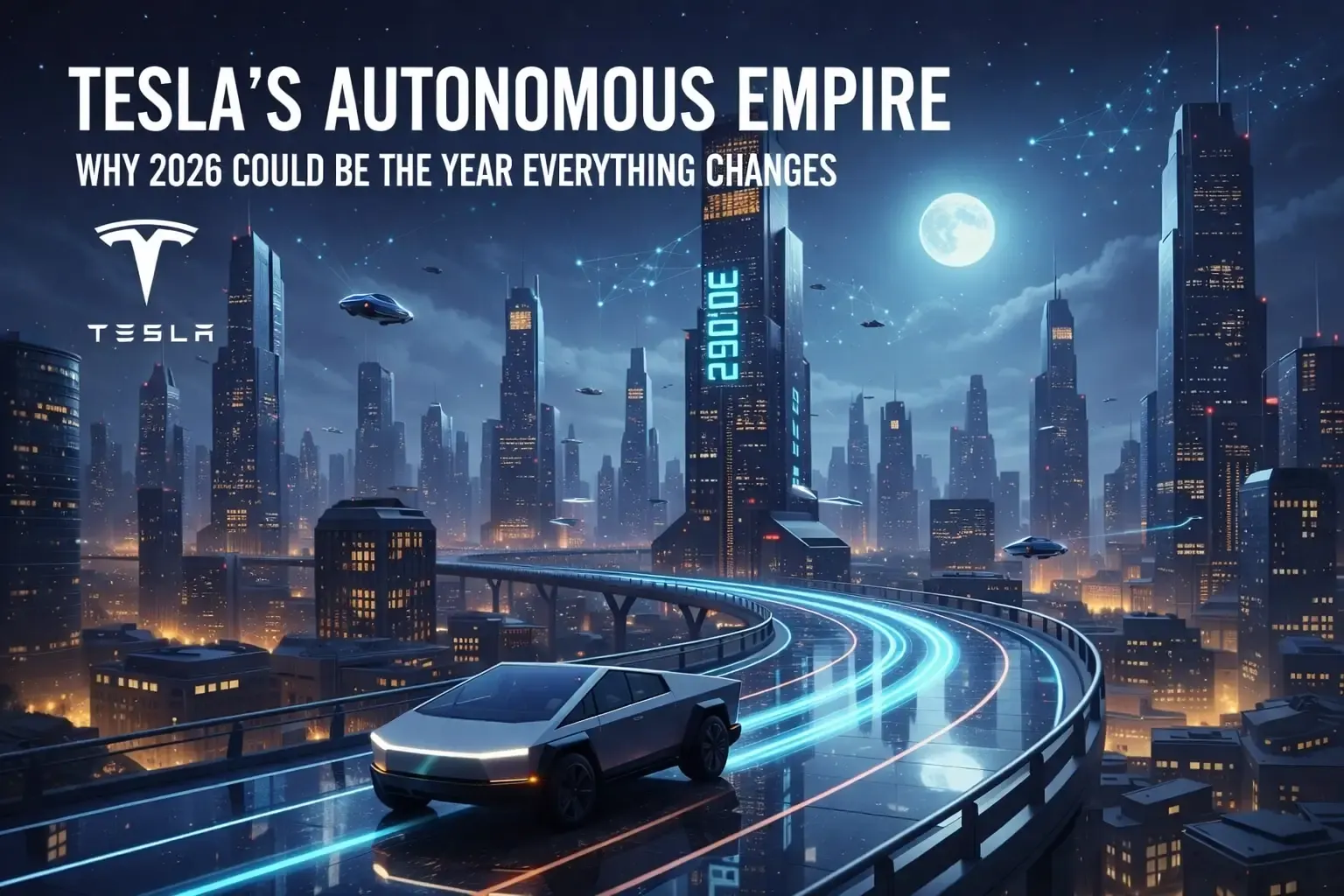
Baird analyst reaffirms $548 price target as Tesla pivots from EVs to AI powerhouse. Cybercab robotaxi, Optimus humanoid robot, and Tesla Semi could drive revenues from $134B to $297B by 2030.
As we kick off 2026, the buzz around Tesla is electric—pun intended. Baird analyst Ben Kallo recently doubled down on his bullish stance, urging investors to buy TSLA stock amid a slew of game-changing developments. With a reaffirmed "Outperform" rating and a $548 price target, Kallo highlights Tesla's pivot from traditional EVs to a multifaceted AI and robotics powerhouse.
Key Investment Thesis
- ▸Cybercab Robotaxi: $30K price point, 70-90% software margins, projected $75B revenue by 2030
- ▸Optimus Robot: $10 trillion TAM by 2050, potentially 80% of Tesla's value per Elon Musk
- ▸Tesla Semi: 50% logistics cost reduction, $8B projected 2026 revenue from 50,000 units
- ▸Revenue Growth: $134B (2026) → $297B (2030) at 22% CAGR
- ▸FSD Integration: Brain powering Cybercab, Semi, and Optimus creates unbreakable moat
- ▸Price Target: $548 (Baird) with potential $3T+ valuation if AI execution succeeds
🚕 The Cybercab Revolution: Robotaxis Redefining Mobility
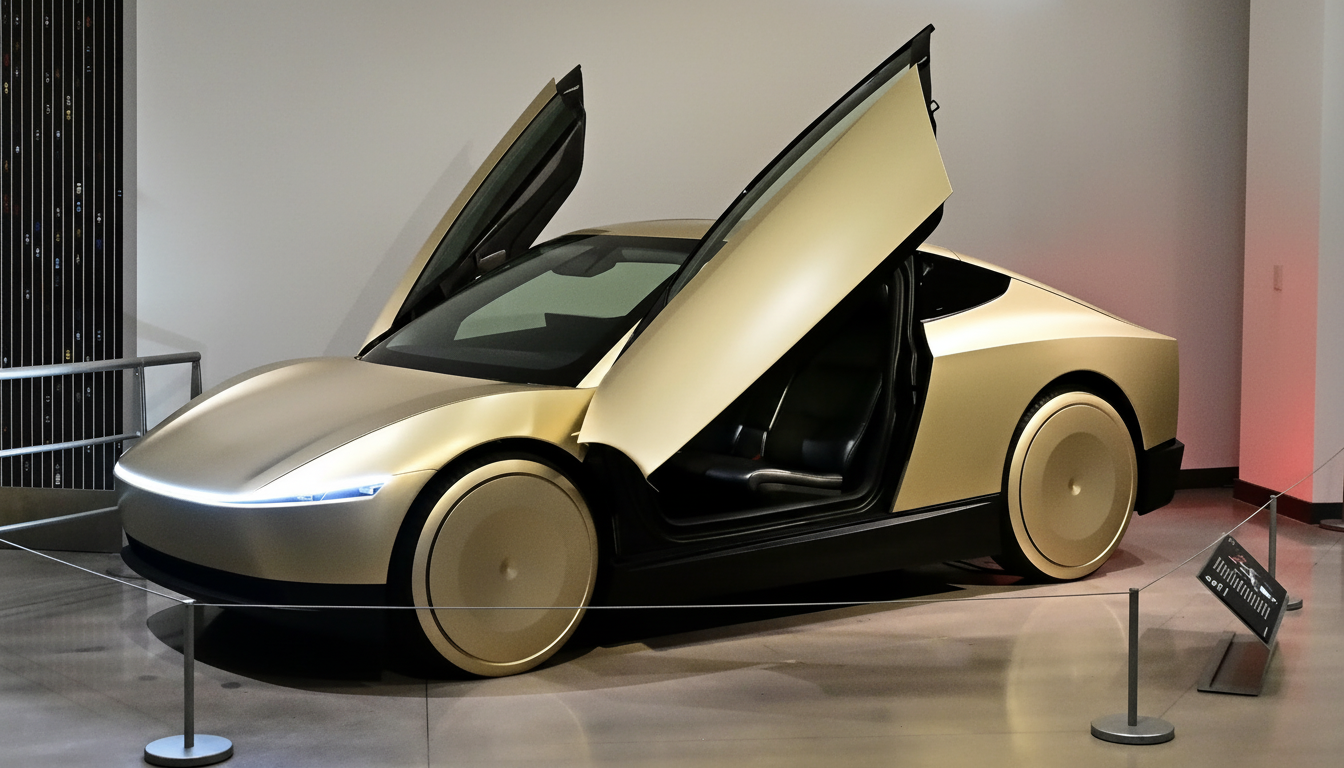
At the heart of Tesla's near-term catalyst is the Cybercab, the company's dedicated Robotaxi vehicle that's already ramping up production at Giga Texas. Priced around $30,000 and designed without a steering wheel or pedals, this sleek, autonomous ride is powered by Tesla's unsupervised Full Self-Driving (FSD) software.
Volume production kicked off in Q2 2025, and by early 2026, we're seeing initial fleets hitting the streets in key U.S. cities like Austin, San Francisco, Las Vegas, and Miami, with plans to expand to over 30 locations by year-end.
Revenue Projections: From Modest to Massive
Revenue projections are tantalizing. For 2026, expect modest but promising inflows around $1 billion, making up about 1.3% of Tesla's total automotive sales. This stems from Tesla-owned fleets offering ride-hailing services, with the company taking a 20-30% cut per ride. High margins—potentially 70-90%—come from the software-centric model, though initial capex for fleet buildup and charging infrastructure will temper profits.
| Year | Cybercab Revenue | % of Total Revenue | Key Milestones |
|---|---|---|---|
| 2026 | $1B | 1.3% | Initial fleet deployment in 30+ U.S. cities |
| 2027 | $10-20B | 10-15% | Global expansion, China & Europe regulatory approval |
| 2028-2030 | $75B | ~50% | Subscriptions, data licensing, insurance savings |
Tesla's vertical integration—from batteries to AI chips—positions it as a frontrunner, but execution remains critical. The $1-10 trillion global market for autonomous mobility awaits those who can scale safely and efficiently.
🤖 Beyond Rides: Optimus and the Humanoid Boom
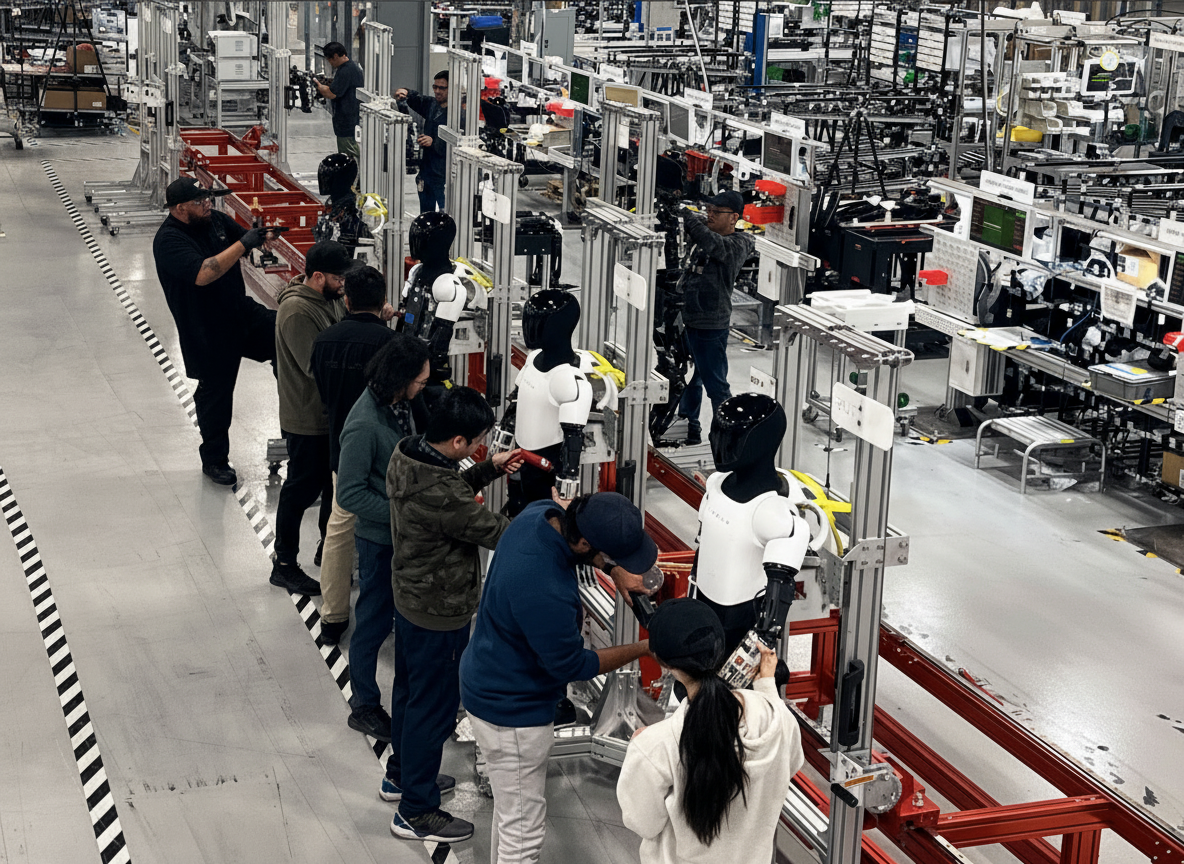
Analyst Ben Kallo also spotlights Optimus, Tesla's humanoid robot, as a major growth driver. Set for internal factory deployment this year, with the first 5,000 units sold commercially, Optimus is ramping to 10,000-1 million units annually by late 2026.
Optimus could account for 80% of Tesla's long-term value, handling tasks from assembly to warehouse operations. This is potentially bigger than the automotive business.
— Elon Musk, CEO of Tesla
Starting with $1 billion in revenue from internal efficiencies, Optimus could explode to a $10 trillion TAM by 2050. The humanoid robotics market represents perhaps the largest untapped opportunity in Tesla's portfolio—one that could fundamentally reshape labor economics globally.
🚛 Tesla Semi: Trucking Into the Future
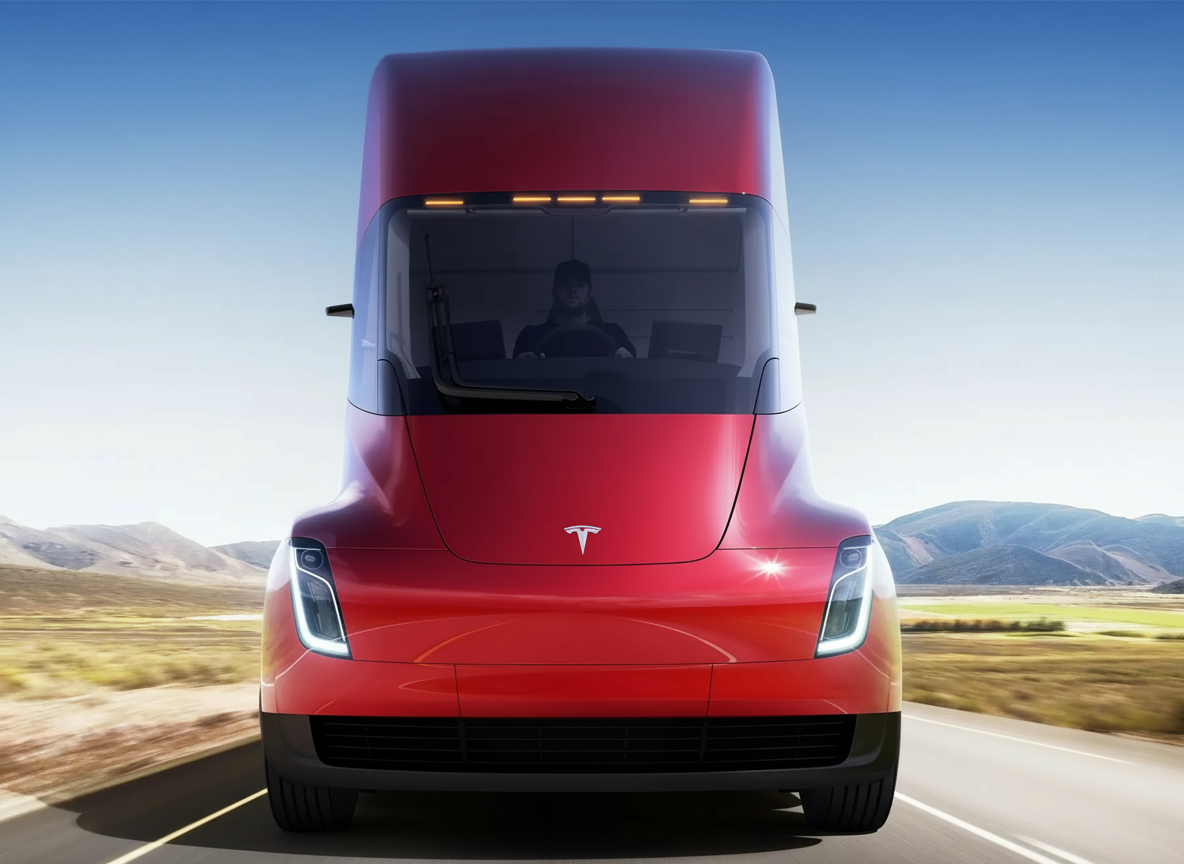
Don't overlook the Tesla Semi, with higher production volumes expected this year. Autonomous capabilities via FSD could slash logistics costs by 50%, enabling 800-mile ranges at highly efficient energy use.
Projections peg $8 billion in 2026 revenue from 50,000 units, bolstering Tesla's energy business too. Companies like DHL, PepsiCo, and ArcBest have already reported 20-50% lower total ownership costs compared to diesel trucks in their pilot programs.
📊 Revenue Projections: 2026-2030 Overview
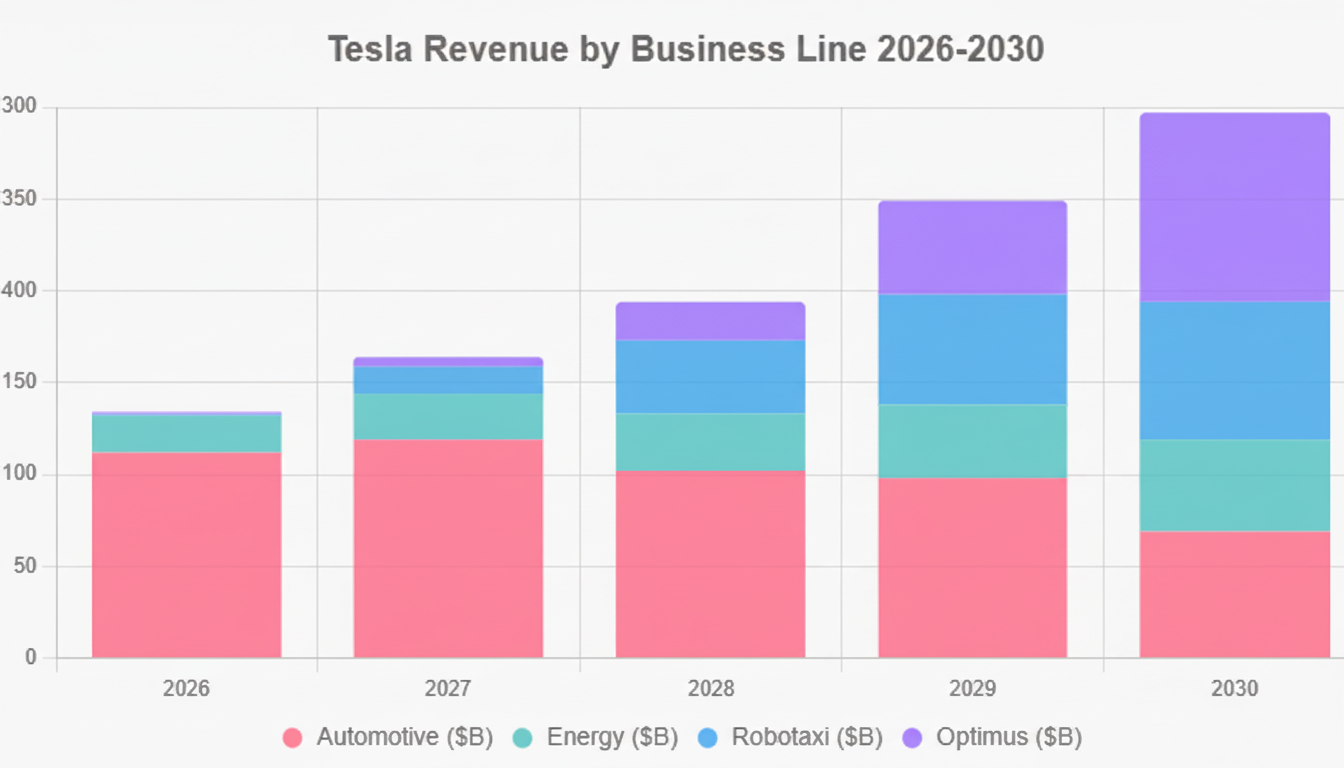
Based on analyst blends from sources like 247 Wall St. and S&P Global, Tesla's overall revenue is projected to grow steadily from $134 billion in 2026 to $297 billion in 2030, driven by diversification beyond traditional EVs into autonomy, robotics, and energy.
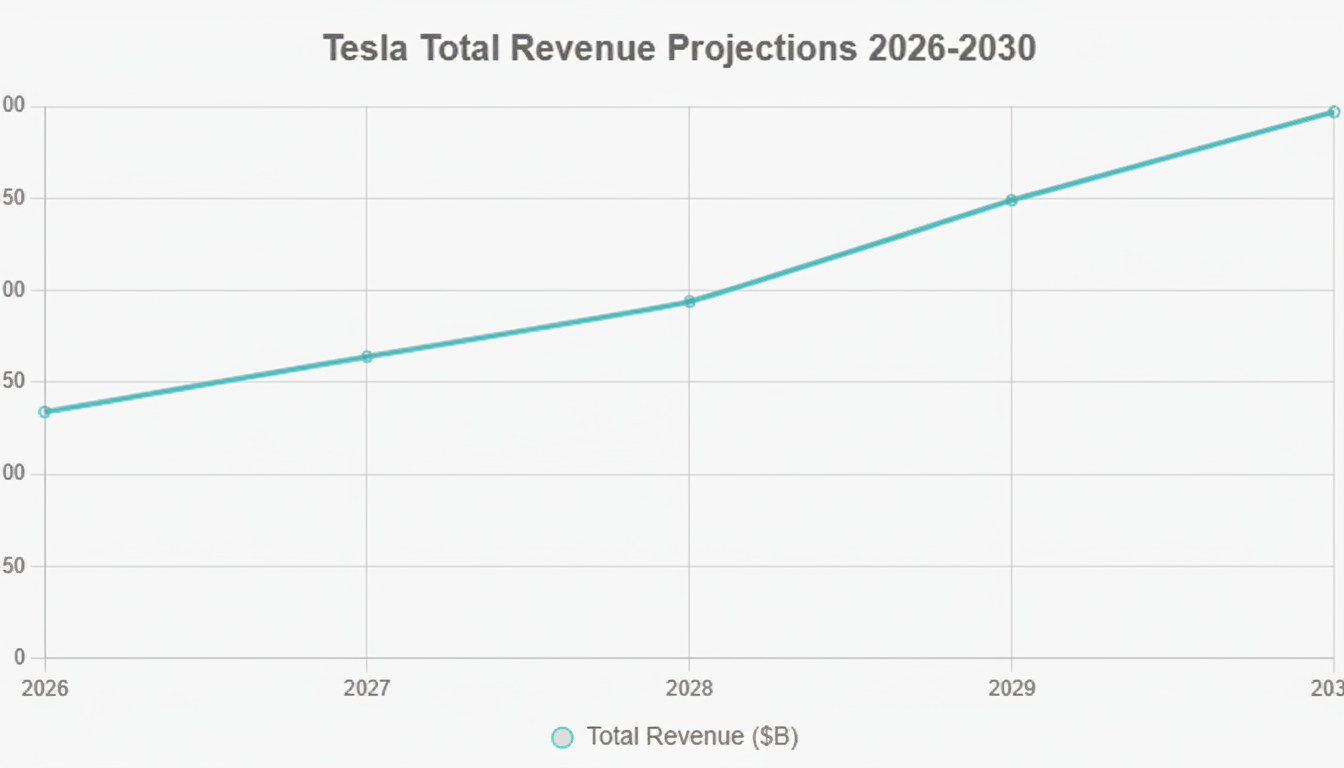
| Year | Total Revenue | YoY Growth | Key Drivers |
|---|---|---|---|
| 2026 | $134B | — | Cybercab launch, Semi ramp, Optimus internal |
| 2027 | $158B | +18% | Robotaxi mainstream, global FSD expansion |
| 2028 | $195B | +23% | Optimus commercial scale, energy growth |
| 2029 | $242B | +24% | Full autonomous fleet operations |
| 2030 | $297B | +23% | Robotaxi $75B, Optimus $100B+ |
🔄 The Synergy Flywheel: How It All Connects
Tesla's magic lies in integration. FSD isn't just for cars—it's the brain powering Cybercab, Semi, and even Optimus. With adoption rates climbing to 20-30% across a 6 million+ vehicle fleet, it generates $1.4-2.8 billion in recurring revenue at $99-199 monthly. Data from billions of miles refines the AI, creating a virtuous cycle.
The Tesla Ecosystem Flywheel
Imagine: Optimus building Cybercabs faster and cheaper in factories, while Semis handle freight logistics seamlessly integrated with Robotaxi fleets for last-mile delivery. Energy plays a key role too—MegaPacks doubling to $5 billion in revenue power charging hubs, with autonomous vehicles optimizing grid use via Vehicle-to-Grid tech, adding $2-5 billion more.
By 2026, this ecosystem could drive $50-100 billion in combined revenues, scaling to $280 billion overall (EVs, AI, energy). By 2031, $432 billion if AI execution nails it, potentially valuing Tesla at $3 trillion+.
💡 Investment Thesis: Why Now?
TSLA remains a core holding with catalysts aligning perfectly. While execution risks exist, the synergies make Tesla more than a car company—it's an autonomous empire in the making.
— Ben Kallo, Baird Analyst ($548 Price Target)
If you're bullish on AI and robotics, 2026 might just be the launchpad. Tesla's ecosystem approach—combining FSD, Cybercab, Optimus, Semi, and energy storage—creates network effects that competitors will struggle to replicate.
Ready to Level Up Your Trading?
Get our comprehensive guide to options trading strategies that complement growth stock investments like Tesla.
Download Free eBook →Disclaimer: This analysis is for educational purposes only and does not constitute investment advice. Tesla stock carries significant risks, and past performance does not guarantee future results. Always conduct your own research and consult a financial advisor before making investment decisions.