US-Israel Strikes: GLD & USO Skyrocket, Tech Recovers
By Cash Flow University · · 4 min read
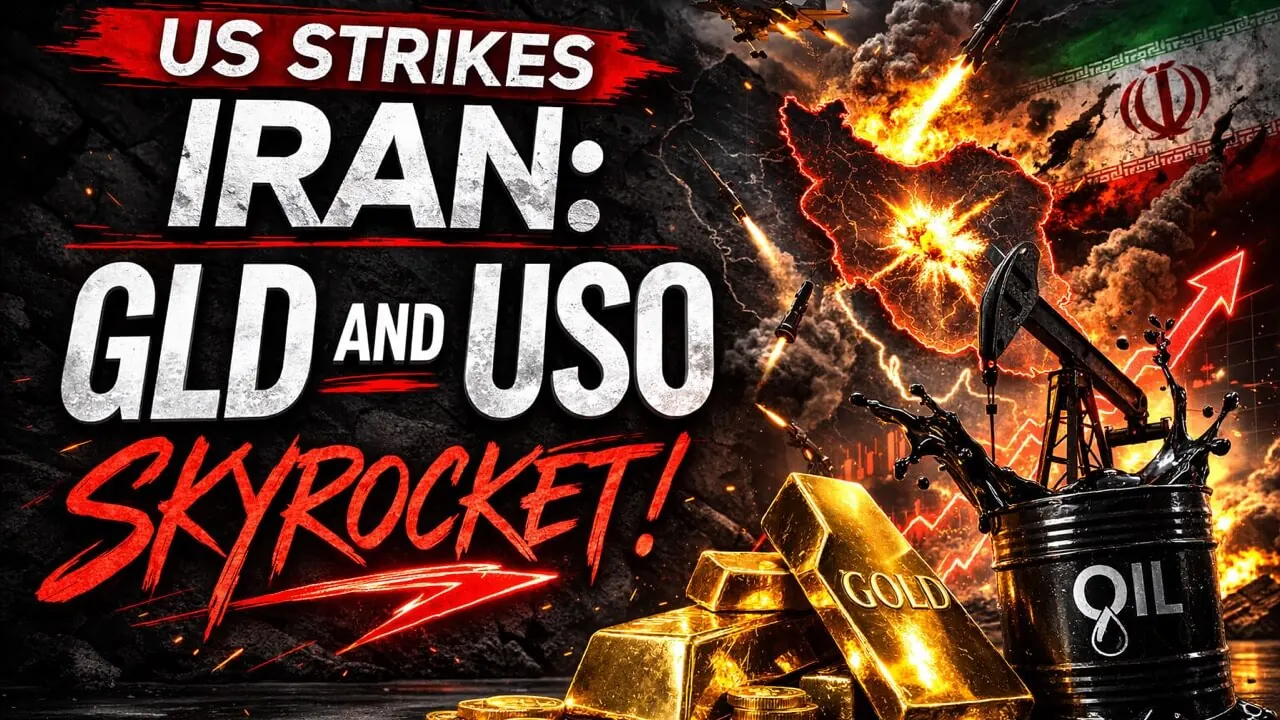
How we positioned in GLD and USO before the US-Israel strikes hit markets — and the rotation playbook every trader should know.
US-Israel Strikes: GLD & USO Skyrocket, Tech Recovers
Over the weekend, US and Israeli forces launched strikes against Iran. By the time futures opened Sunday night, it was clear Monday was going to be chaos.
Oil surged. Gold spiked. The S&P stumbled right out of the gate. Defense stocks held firm while growth names got hammered in the first hour. But here's the thing — by midday, tech was already bouncing back. Dip buyers showed up fast, and the Nasdaq clawed back most of its losses before the close.
If you've been trading through geopolitical events before, none of this was surprising. The playbook is predictable. The question is whether you had a plan before the headlines hit — or whether you were scrambling to react.
We had a plan. Here's how it played out.
The Geopolitical Rotation Playbook
Every geopolitical shock follows a pattern. It's not identical each time, but the rotation is consistent enough to trade around:
1. Conflict hits headlines → immediate flight to safety
2. Oil and gold get bid up hard on supply disruption fears
3. Defense stocks hold or rally — Lockheed, Raytheon, the usual names
4. Growth and tech sell off as risk gets repriced
5. Dip buyers pile into quality tech within hours — sometimes the same session
This cycle has repeated through every major geopolitical escalation over the past decade. The timing varies, but the sequence doesn't. If you understand the rotation, you can position ahead of it instead of chasing it.
The Market's First Move: Panic
When headlines break about military strikes, the market's first instinct is always the same: sell first, ask questions later. Price action gets erratic. Stops get triggered. Traders who don't have a framework start making emotional decisions.
Monday morning was a textbook example. Futures were ugly overnight, and the opening bell brought a wave of selling in the S&P. But if you zoom out, this is the least interesting part of the move. The panic phase is noise. What matters is what comes next — and whether you were already positioned for it.
Having a framework doesn't mean predicting every headline. It means knowing what to do when the headline hits. That's the difference between reacting and executing.
How We Positioned: GLD & USO
Heading into last week, tensions between the US, Israel, and Iran were escalating. The news wasn't a complete surprise — the buildup was visible if you were paying attention. We felt volatility was underpriced given the geopolitical backdrop, and we acted on it.
On Thursday and Friday, we picked up positions in GLD (SPDR Gold Shares) and USO (United States Oil Fund). The thesis was simple: if strikes happened over the weekend, both would gap up Monday morning. If nothing happened, the downside was manageable.
When the strikes hit over the weekend, both positions gapped up exactly as expected. We rode the Monday surge and sold into strength as the initial shock move matured through the session.
This is what trading with structure looks like. We didn't chase the news on Monday morning. We didn't panic-buy oil after it had already spiked. The positions were on before the weekend because the setup was there — and we had a plan for both outcomes.
What to Watch
▸ Oil supply disruption risk — any escalation in the Strait of Hormuz changes the oil thesis from a trade to a trend
▸ Gold continuation vs. fade — watch whether GLD holds above its pre-strike levels or fades back. Holding = more upside
▸ Tech dip-buying opportunities — if the sell-off continues in growth names, the best setups will come 2-3 days after the initial shock
▸ Defense sector follow-through — LMT, RTX, and NOC tend to hold gains after geopolitical events. Watch for continuation patterns
Trade With a Framework
Geopolitical events will keep happening. The question isn't whether the next one will move markets — it will. The question is whether you'll have a plan when it does.
At CFU, we build frameworks for exactly these situations. We identify the setup, position ahead of the move, and manage the trade with structure. No panic. No chasing. Just disciplined execution based on patterns that repeat.
Want to trade with us?
Join CFU and get real-time trade alerts, frameworks, and community support.
See Our Plans →