History Repeats: Currency Debasement Through the Ages
From shaving silver off Roman coins to printing trillions of paper marks, the story is the same: when money gets easier to create, it gets easier to lose trust in it.
- Currency debasement has occurred for 2,000+ years—from Roman coins to modern fiat
- The pattern is consistent: short-term relief leads to long-term economic damage
- 1960s minimum wage in silver (~$65 today) vs. current $7.25 fiat illustrates purchasing power loss
- Bitcoin offers a modern alternative with programmatic scarcity and no central control
The Ancient Beginnings of Currency Debasement
Currency debasement is not a modern phenomenon. It traces back to ancient civilizations, where rulers would reduce the value of their currency to finance wars, public works, or simply to enrich themselves. One of the earliest and most famous examples is ancient Rome, where the denarius (a silver coin) was systematically debased by successive emperors.
Silver Content
Silver Content
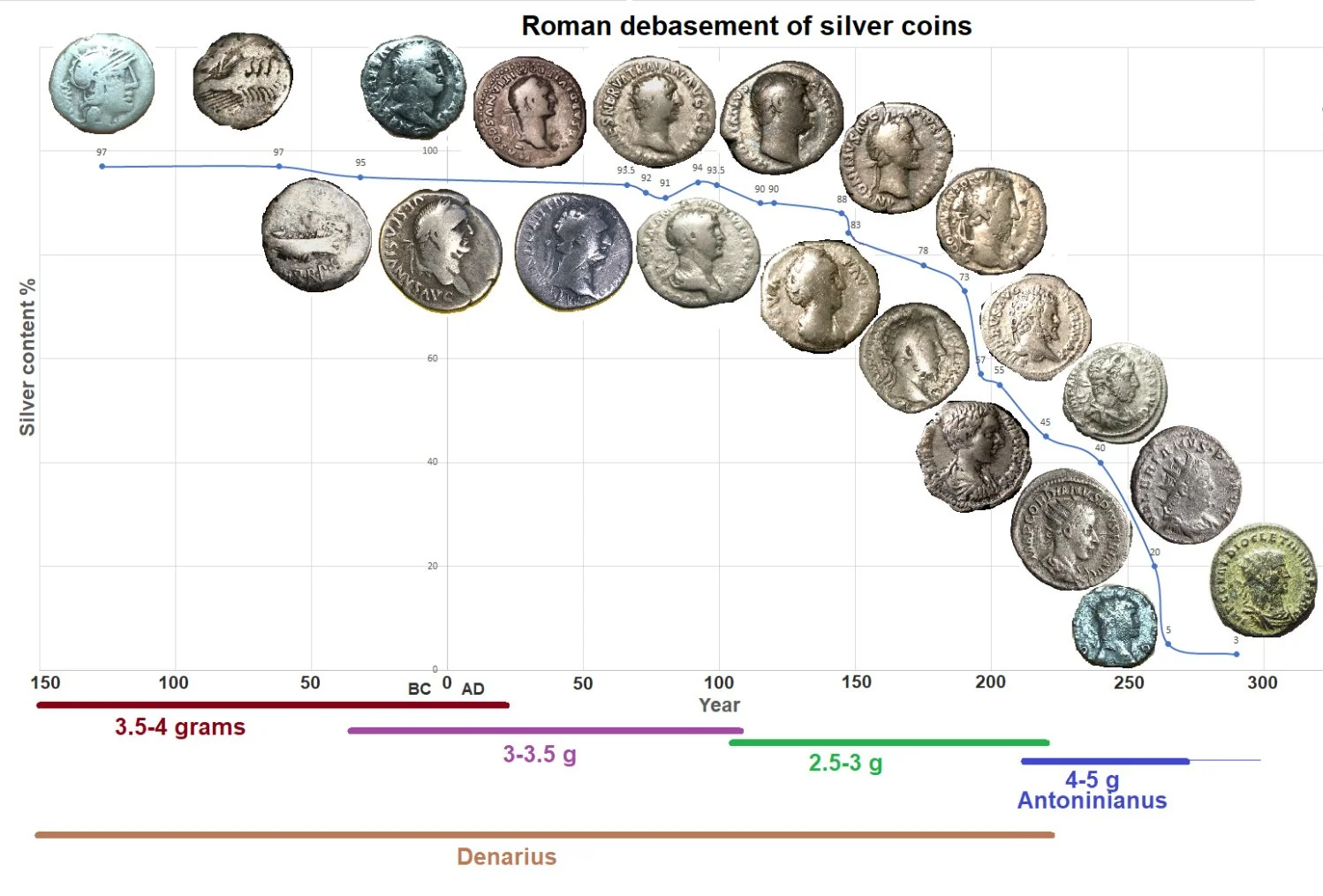
Early on, the denarius contained a very high percentage of silver. But as Rome's expenses grew—wars, state programs, and an expanding bureaucracy—emperors increasingly reduced the coin's silver content rather than raise taxes outright. By the 3rd century, the "silver" denarius had been diluted to a tiny fraction of its original silver, with base metals like copper taking over.
The result was predictable: more "money" chased the same goods, purchasing power eroded, and prices surged. Debasement destabilized commerce, punished savers, and weakened public confidence—contributing to broader economic decline. The Roman experience is an early warning about the long-term costs of manipulating money.
Medieval and Renaissance Currency Manipulation
The Middle Ages and Renaissance repeated the pattern. European monarchs frequently debased coinage to fund military campaigns and state spending. England, France, and Spain all altered coin metal content at various times as rulers searched for revenue without the political pain of direct taxation.
One well-known example is England's "Great Debasement" (1544–1551), when the silver content in English coinage was sharply reduced. The immediate effect was an increase in the money supply, and the downstream consequence was inflation and declining trust in the currency.
During the Renaissance, expanding trade made reliable money even more important—yet debasement still occurred. When currency becomes inconsistent, it disrupts trade, distorts pricing, and slowly reduces a nation's economic strength. The lesson from this era is simple: short-term funding wins often come at the cost of long-term stability.
📬 Enjoying this article? Get more insights delivered weekly.
Join the CFU Newsletter →The Impact of Debasement in the Modern Era
In the modern world, debasement usually doesn't happen by clipping coins—it happens by expanding the money supply. A dramatic example is post-World War I Germany. To pay reparations and cover deficits, the Weimar Republic printed staggering amounts of money. The currency collapsed: where roughly 4.2 marks once equaled 1 U.S. dollar, by November 1923 it took trillions of marks to buy that same dollar.
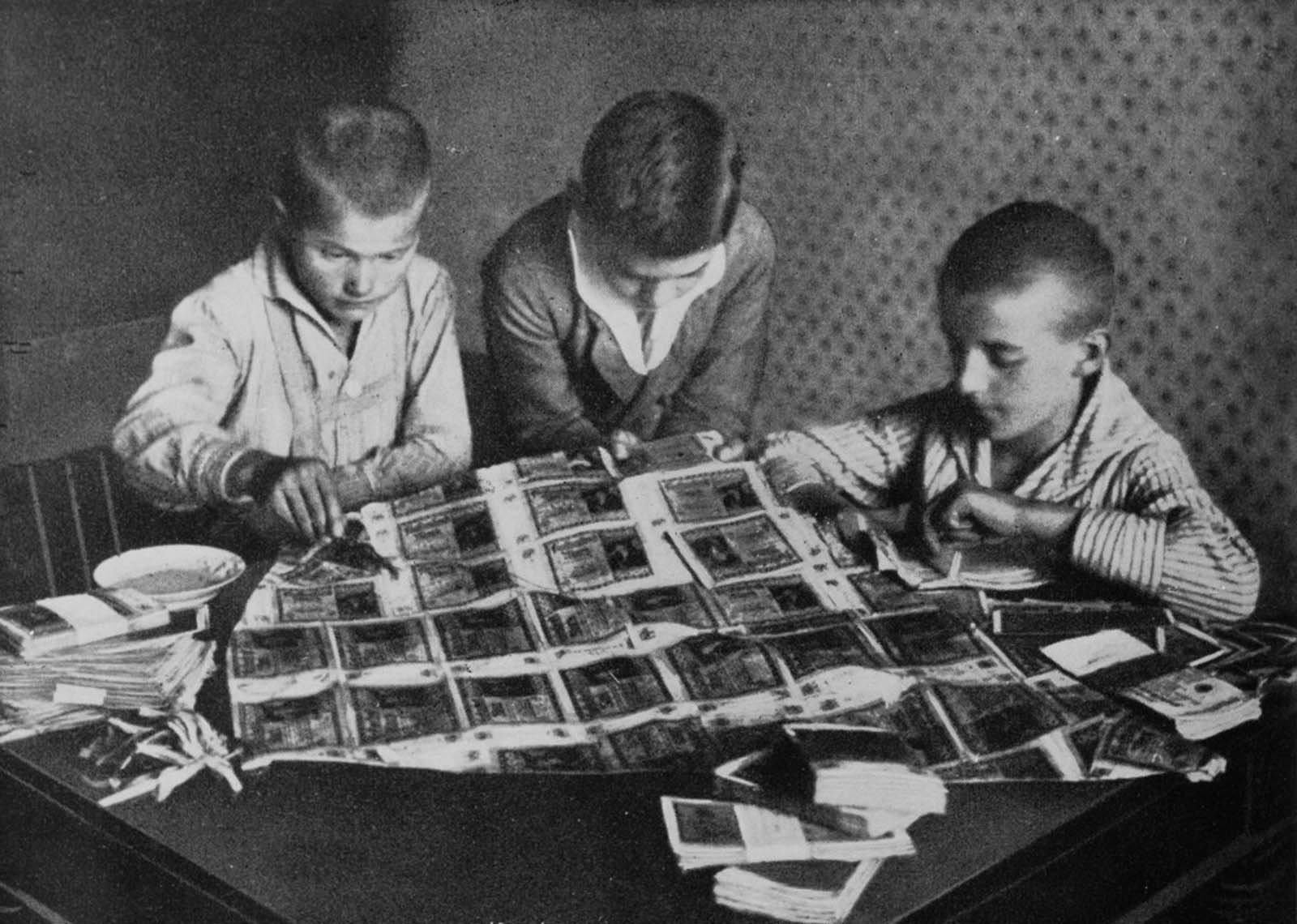
Prices doubled rapidly, everyday necessities became unaffordable, savings were wiped out, and social order deteriorated. Hyperinflation didn't just break the economy—it crushed the middle class and fueled extremism.
Another modern example is Zimbabwe in the late 20th and early 21st centuries. The government printed aggressively to cover budget shortfalls, triggering hyperinflation that rendered the Zimbabwean dollar effectively worthless and collapsed domestic confidence in the financial system.
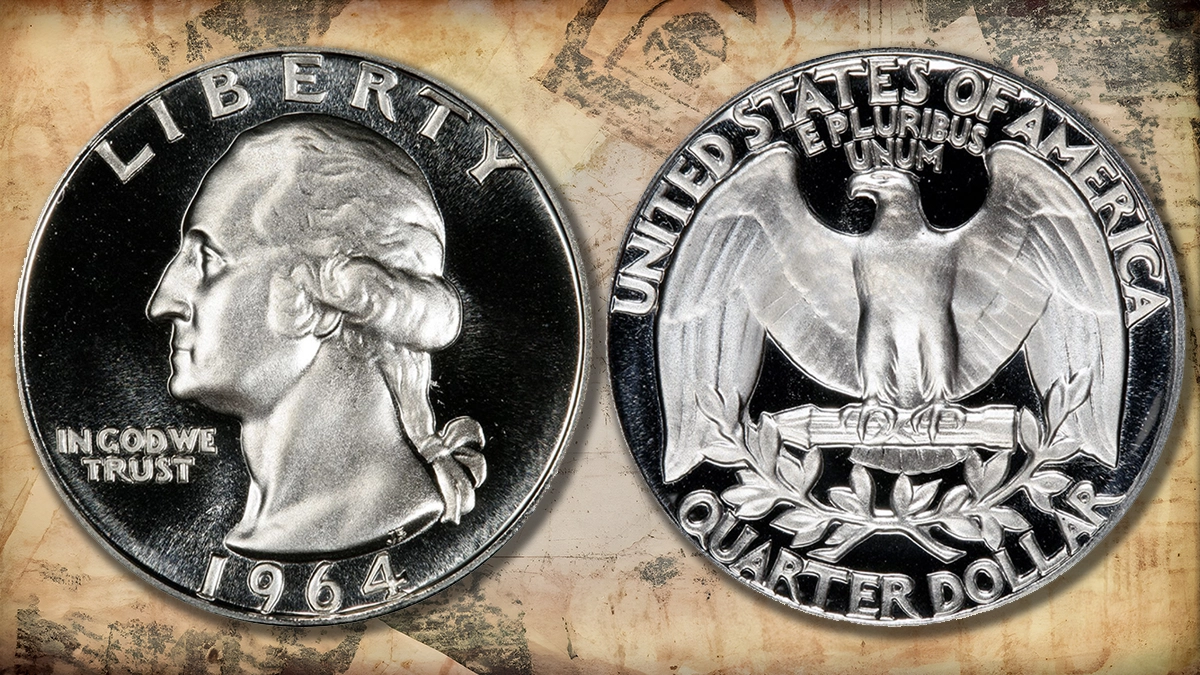
Debasement can also be subtle. Consider U.S. coinage: in 1965, circulating quarters shifted away from 90% silver to copper-nickel clad coins, reducing intrinsic metal value in everyday money. In the early 1960s, the U.S. federal minimum wage was $1.25/hour. That was equivalent to five 90% silver Washington quarters.
(in silver value today)
(in fiat dollars)
Today, five pre-1965 silver quarters contain about 0.904 troy ounces of silver (0.1808 oz each). With a silver spot price in the low-to-mid $70s/oz (as of January 3, 2026), those five quarters' melt value is roughly in the mid-$60 range. Meanwhile, the federal minimum wage is $7.25/hour—paid entirely in fiat dollars whose purchasing power erodes over time through inflation.
"The point isn't nostalgia for old coins—it's the recurring pattern: when money becomes easier to expand, the unit tends to buy less over time."
The Lessons and Implications for Today's Economies
Studying the history of currency debasement offers a consistent lesson: it can provide short-term relief, but it often produces long-term damage—higher prices, distorted incentives, weaker savings, and declining trust. Stable money underpins stable commerce.
Even in today's digital, complex economy, the principle remains the same: trust is the foundation of any currency. When that trust is compromised—whether through coin debasement or money printing—the economic aftershocks are rarely contained.
One modern innovation aimed at solving this recurring problem is Bitcoin: a decentralized digital asset designed with a fixed supply cap of 21 million coins. New bitcoin issuance is governed by the protocol and reduces over time through periodic "halvings," trending toward zero issuance in the long run.
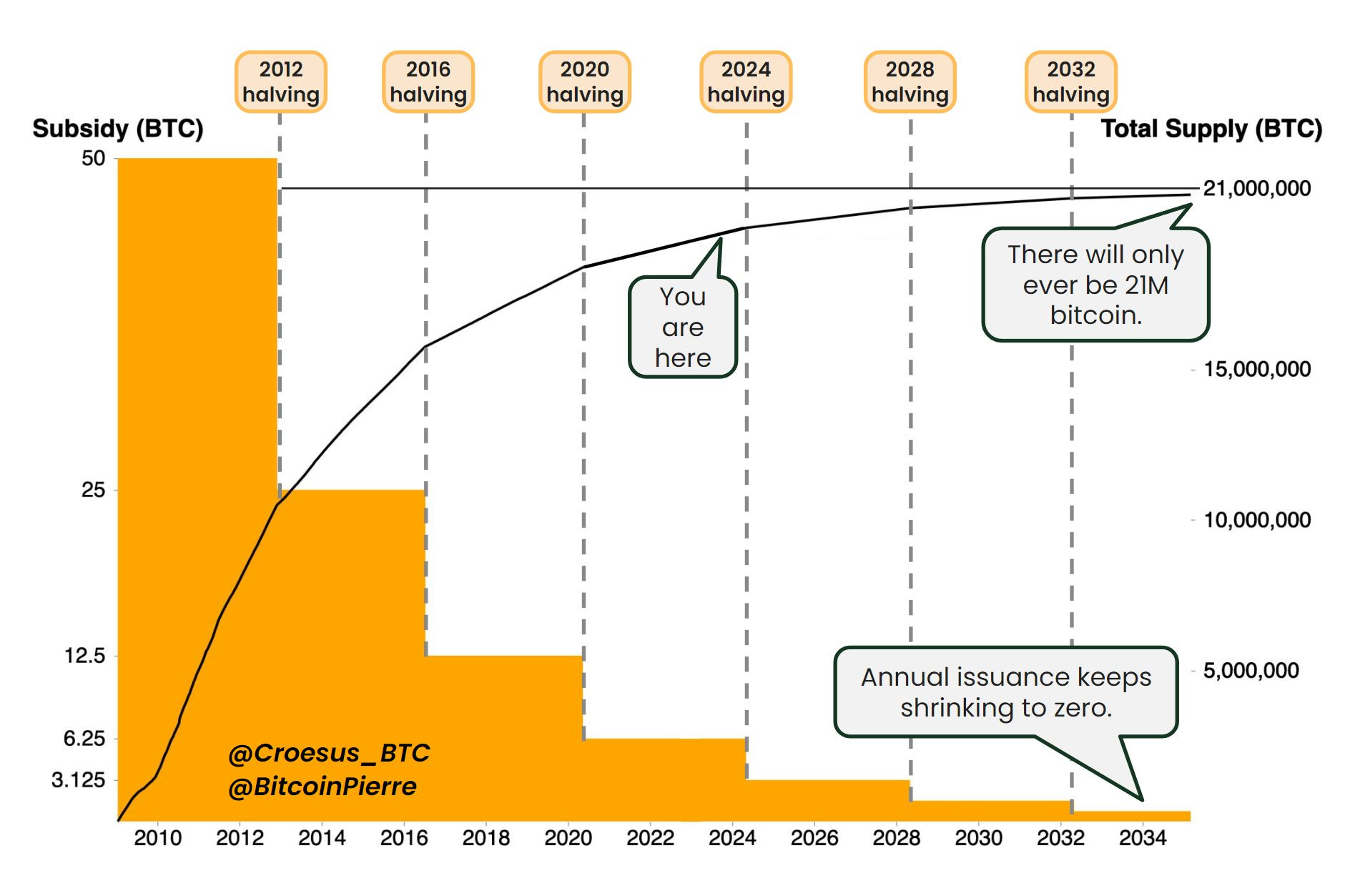
In that sense, Bitcoin is engineered to resist the classic debasement cycle—offering an opt-out for people who want an asset with enforced scarcity. While Bitcoin can be volatile, it represents a new monetary alternative in a world where history keeps rhyming.
❓ Frequently Asked Questions
What is currency debasement?
Currency debasement is the practice of reducing the intrinsic value of money—historically by reducing precious metal content in coins, and in modern times by printing money and expanding the supply.
How does Bitcoin prevent debasement?
Bitcoin has a fixed maximum supply of 21 million coins, enforced by its protocol. New bitcoin issuance decreases over time through "halvings," making it immune to the arbitrary expansion that causes traditional currency debasement.
Why do governments debase currency?
Governments typically debase currency to fund wars, public spending, or pay off debts without raising taxes directly. While it provides short-term relief, it often leads to inflation, loss of purchasing power, and eroded public trust.
- Roman Monetary History — Classical Numismatic Group
- The Great Debasement — British Museum Archives
- Bitcoin Whitepaper — Satoshi Nakamoto (2008)
- U.S. Coinage Act of 1965 — U.S. Mint Historical Records
Helping traders master options strategies for consistent weekly income. Join our community of traders learning to build financial freedom.
Ready to Level Up Your Trading?
Get our FREE eBook and learn how CFU traders generate weekly income trading options.
Get Your Free eBook →